
Hayfever: What you need to know this allergy season

According to the NHS, hayfever affects many people in the UK and can last for weeks or even months, particularly when pollen levels are high between March and September.
Common symptoms of hayfever
Hayfever can feel similar to a cold, but it tends to last longer and doesn’t come with a fever.
Typical symptoms include:
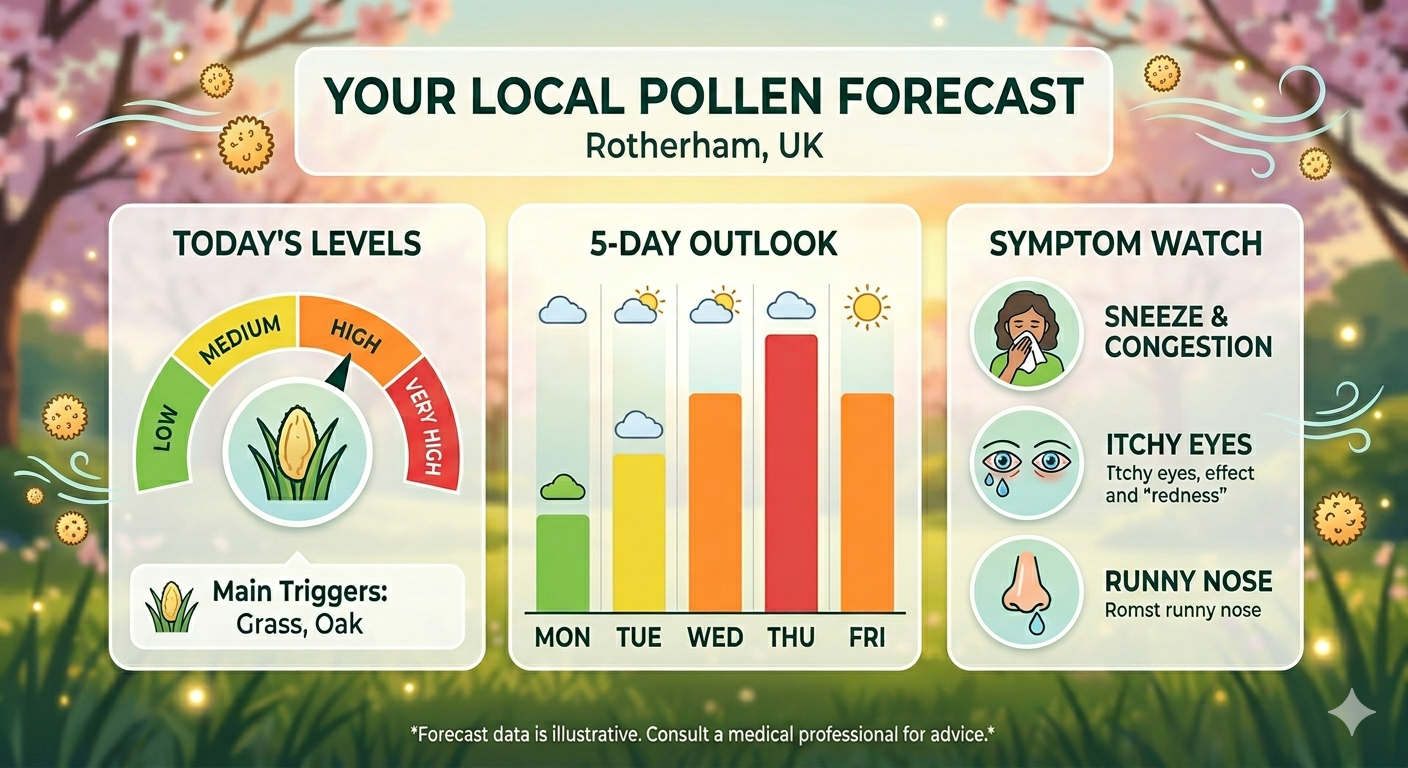
- Sneezing and coughing
- Runny or blocked nose
- Itchy, red or watery eyes
- Itchy throat, mouth, nose or ears
- Headaches or facial pain
- Feeling tired
Some people may also experience a loss of smell or worsening asthma symptoms.
Read more on the NHS website: NHS Hayfever
What can help?
There’s no cure for hayfever, but there are ways to manage symptoms:
- Check pollen forecasts and limit time outdoors when counts are high
- Keep windows closed and shower after being outside
- Use antihistamines, nasal sprays, or eye drops - Speak to your local pharmacist for advice on suitable medications
- Wear sunglasses or apply a barrier (like petroleum jelly) around the nose
Simple steps like these can make a noticeable difference during peak season.
When to seek further help
While hayfever is usually manageable, you should seek medical advice if:
- Symptoms are getting worse or not responding to treatment
- You have breathing difficulties or worsening asthma
- Symptoms are unusual or persistent
Hayfever is common, but it can have a real impact on day-to-day life especially during peak pollen months. The good news is that early advice and the right treatment can help you stay well and active.
If you’re unsure where to start, your local pharmacy team is a great first step.

Who should you speak to?
If you’re struggling with hayfever, support is available:
1. Your local pharmacist
Pharmacists are often the best first point of contact. They can recommend treatments like antihistamines or sprays without needing a GP appointment.

2. Your GP practice
Speak to your GP if:
- Your symptoms are severe or not improving
- Hayfever is affecting your sleep, work, or daily life
- You also have asthma or other conditions
3. NHS 111
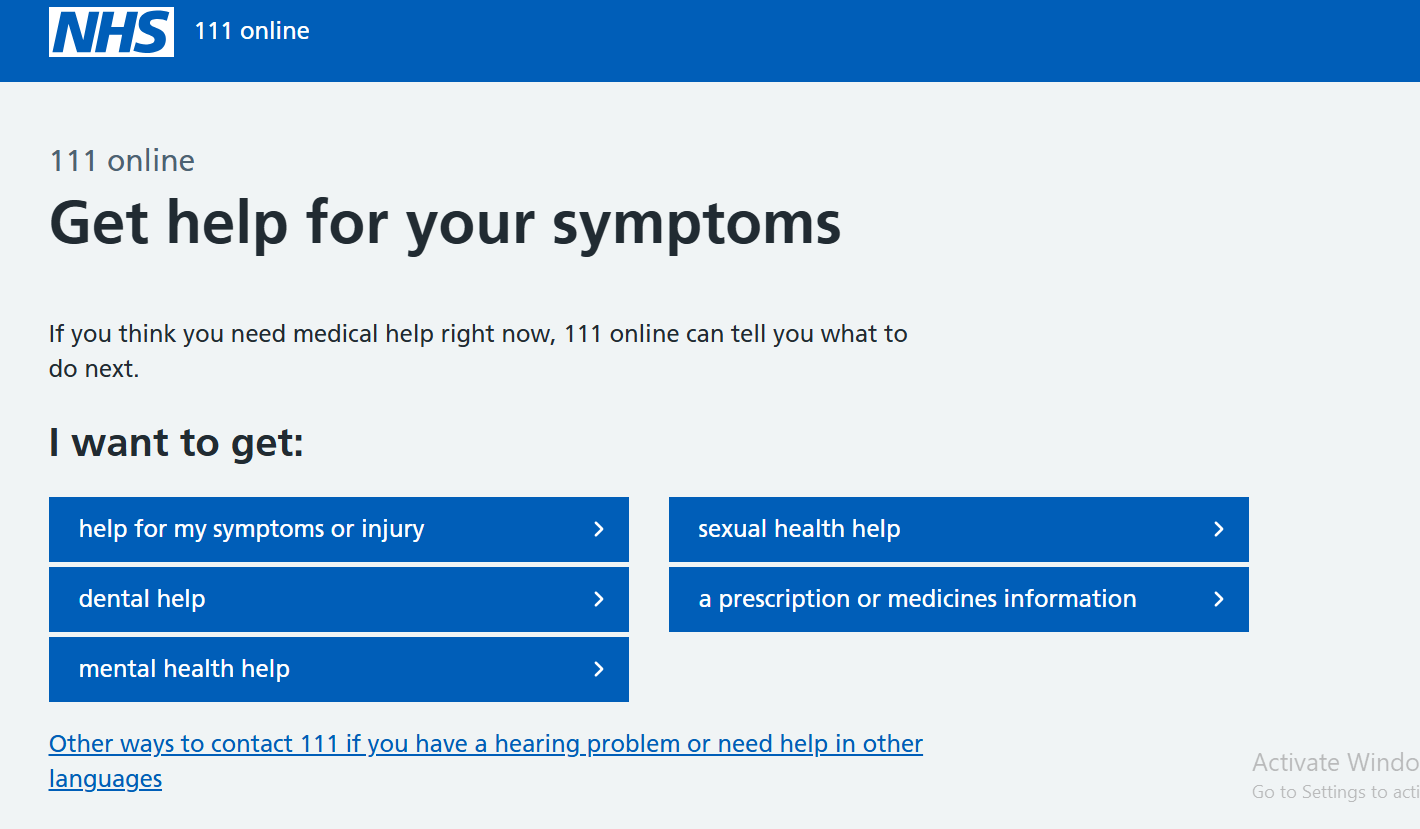
If you’re unsure what to do, you can get advice via NHS 111 (online or by phone).
111 Online website: 111 Online