Thyme to eat: From plot to plate
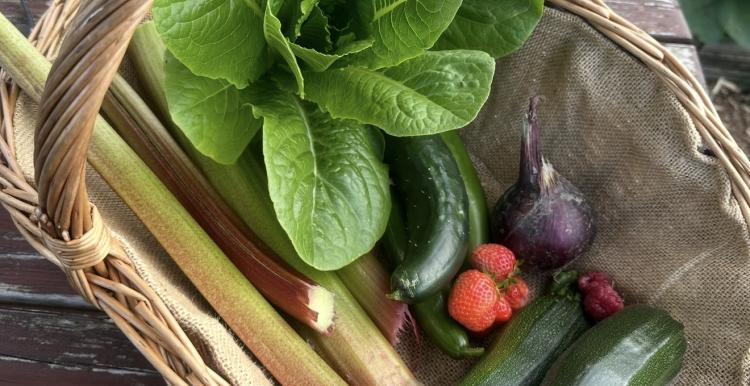
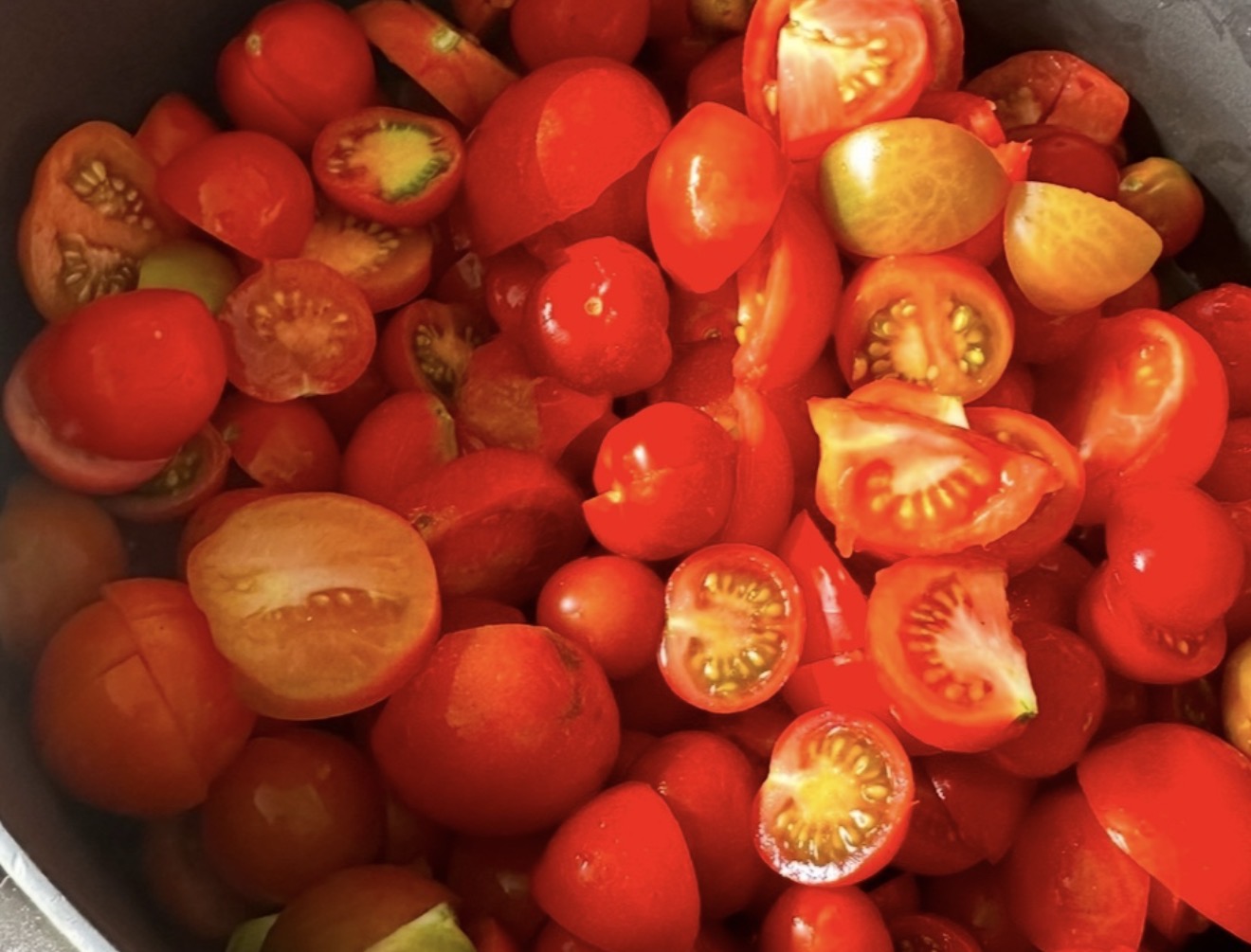
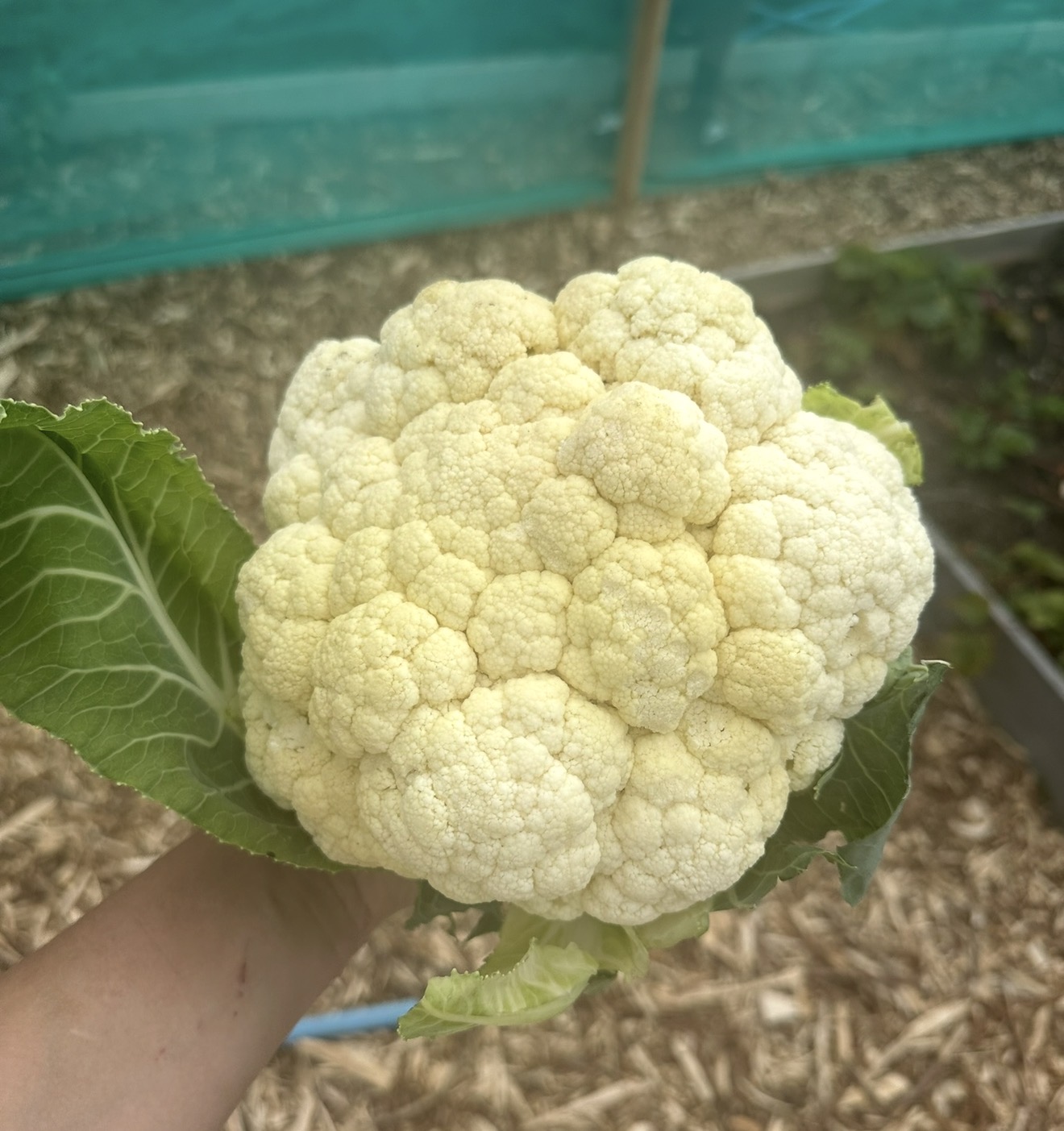
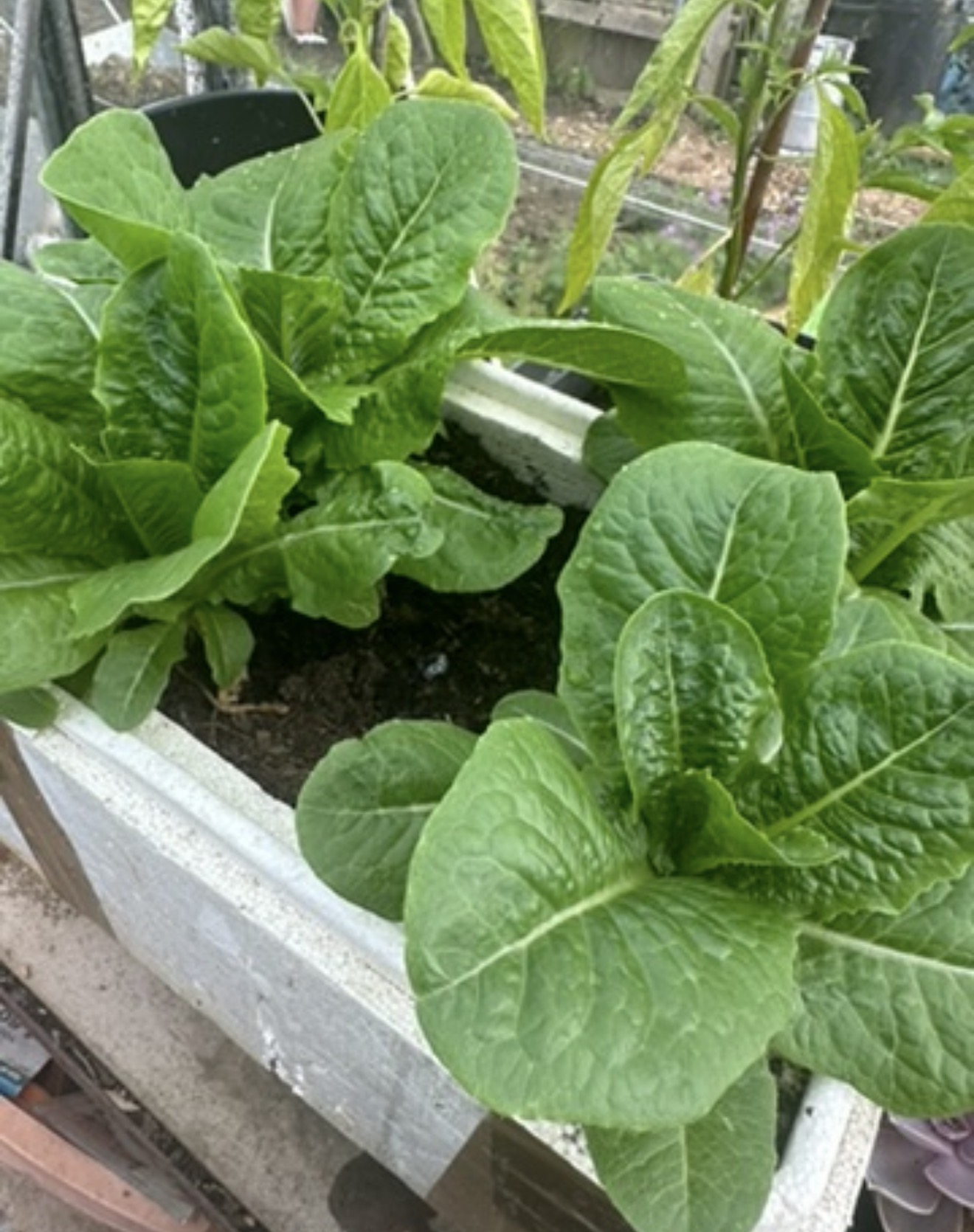
Growing your own food, don’t have a garden? That’s not a problem! There are lots of different ways people can grow food, that could be window boxes, hanging baskets or potted plants inside on your windowsill.
Small Space, Big Harvest
For those growing indoors, Sweet Bell Peppers and Chili plants are the ultimate "bang-for-your-buck" crops. They thrive in the consistent warmth of a home and don't require much room to be productive. Consider the math of a single seed:
- Sweet Bell Peppers: A single plant can yield between 15–30 peppers in a season.
- Chili Varieties: Smaller, fiery varieties like Thai, Cayenne, or Small Hots are prolific producers, often yielding 100–150+ chilies per plant.
When you compare that to the cost of buying individual organic peppers at the store, your windowsill isn't just growing food, it's growing a more sustainable grocery budget.
The Countertop Herb Garden
If you’re someone who loves a burst of flavor in your cooking, why settle for dried flakes in a plastic jar when you can harvest fresh off the plant?
The Windowsill Essentials
These five staples thrive in small pots and are perfect for indoor life:
- Basil: The king of herbs for sunny spots. It’s the soul of pesto and thrives on a warm, bright sill.
- Rosemary & Thyme: These woody wonders are tough as nails. They prefer slightly drier soil and offer a year-round "woodland" aroma.
- Mint: A vigorous grower that actually prefers being in a pot (so it doesn't take over your whole garden!). Perfect for teas, salads, or a cheeky mojito.
- Chives: The ultimate "set it and forget it" herb. They grow back quickly after every snip, giving you a constant supply of mild, oniony crunch.
Maximizing Every Inch
If you have a bit of outdoor access whether it’s a window box, a hanging basket, or a tiny patio you have the perfect spaces for fresh produce. These small but mighty spaces are often the most productive parts of a home because they allow you to grow "up" instead of "out."
The Sweet Treats
- Strawberries: These are the superstars of the hanging basket. By growing them elevated, you keep the berries away from slugs and let them bask in the 360-degree sunlight they crave.
- Dwarf Raspberries: Traditional raspberries can be unruly, but "dwarf" varieties stay compact and bushy. They are perfect for a large patio pot, offering handfuls of tart, sun-warmed berries all summer long.
- Gooseberries: Often overlooked, these are incredibly hardy. They thrive in pots and bring a wonderful, old-fashioned "hedgerow" feel to even the smallest balcony.
The Salad Game-Changers
- Cherry Tomatoes: These are essentially the "candy" of the vegetable world. A single pot can produce hundreds of tiny, sugar-sweet bursts of flavor. Plus, they love the heat of a sunny patio.
- Cucamelons: If you want a conversation starter, this is it! They look like micro-watermelons but taste like cucumbers with a zing of lime. They are prolific climbers, so give them a small trellis in a pot and watch them take over your vertical space.
- Chili Peppers: As we mentioned before, these are the ultimate space-savers. They add a pop of vibrant color (reds, oranges, and purples) that makes your patio look as good as your food tastes.
The Garden & Allotment
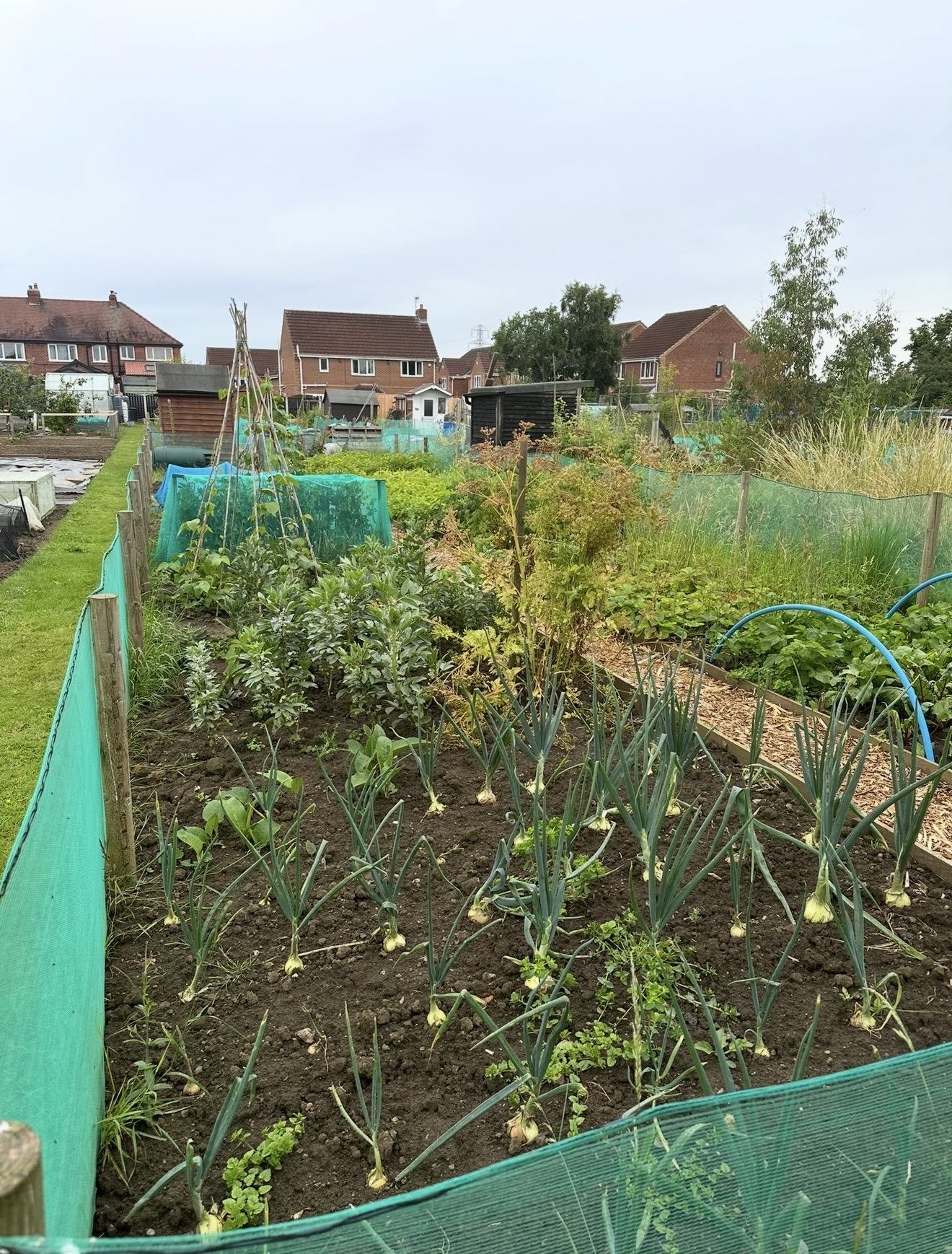
When you have the luxury of ground space, you can dive into the world of high-reward greens. This is where your trowel to table journey becomes truly sustainable, allowing you to stock your pantry and fill your freezer for months.
The "Big Room" Crops
With more soil comes the opportunity for larger, more diverse harvests. Consider these garden essentials:
- The Root Crew: Potatoes, Carrots, Onions, and Beets. These are the foundations of your kitchen, providing hearty bases for roasts and stews.
- The Summer Stars: Tomatoes and Courgettes. Be prepared, a single healthy courgette plant can often produce more than one family can keep up with!
- The Winter Staples: Cauliflower, Brussels Sprouts, and Broccoli. These hardy crops ensure your garden keeps producing even as the temperature drops.
The Strategic Grower’s Secrets
To get the most out of your allotment, you have to play it smart. Use these three techniques to maximize your "food turnaround":
- The Multi-Harvest Trick: Instead of standard broccoli, try Sprouting Broccoli. While a regular head of broccoli is a "one-and-done" harvest, sprouting varieties are larger plants that produce multiple shoots over a longer period. More food, less waste.
- The "In-Between" Fast Food: Radishes are the sprinters of the garden. Because they grow so incredibly fast (often in just 3-4 weeks) and take up very little room, you can tuck them into the small gaps between your slower-growing cabbages or potatoes.
- Think Vertically: The Cucumber Hack: Don't let cucumbers crawl across your precious floor space. These plants are natural climbers. By training them up a trellis, you save space and keep the fruit clean and straight. They offer a massive yield, perfect for crisp summer salads or a refreshing snack while you’re out pottering in the dirt.
The Harvest Reward: Why Home-Grown Health Hits Different
Eating healthy is the ultimate goal, but there is a massive nutritional gap between a store-bought apple and one picked from your own tree.
1. Maximum Nutrient’s
The second a vegetable is harvested, its nutrients begin to break down. Food in supermarkets has often traveled thousands of miles and sat in storage for weeks. By moving from plot to plate in minutes, you ensure you are getting 100% of the vitamins, minerals, and antioxidants that the plant has to offer.
2. Flavor-Led Wellness
Let’s be honest: it’s much easier to eat your greens when they actually taste amazing. Home-grown food is bursting with natural sugars and essential oils that disappear in commercial farming. When a cherry tomato tastes like candy and your spinach is crisp and sweet, "healthy eating" happens naturally because the food is genuinely delicious.
3. The "Soil-Brain" Connection
Healthy eating isn't just about your waistline; it’s about your mind. There is a proven link between the microbes in healthy garden soil and increased serotonin levels in the brain. The physical act of gardening, combined with the clean energy of fresh produce, creates a "wellness loop" that reduces stress and boosts mental clarity.
Smashing Your "5-a-Day" (Without Really Trying)
We all know the magic number: five portions of fruit and vegetables a day. But when that means expensive, plastic-wrapped produce from the store, it can feel like a chore. When your garden is your grocery store, hitting that target becomes the easiest part of your day.
🥕 What counts as 1 portion?
A portion is roughly 80g of fresh, frozen, or canned fruit/veg. That translates to:
- 🍎 1 medium fruit (apple, banana, pear)
- 🍊 2 small fruits (plums, satsumas)
- 🥄 3 heaped tablespoons of vegetables (peas, carrots, broccoli)
- 🥗 1 small bowl of salad
- 🥤 150ml fruit juice or smoothie (only counts once per day)
Eating your 5 a day helps keep your body healthy by providing essential vitamins, fibre, and antioxidants that support your heart, digestion, and immune system. It can lower your risk of conditions like Type 2 Diabetes and Cardiovascular disease, while also helping with weight management by keeping you fuller for longer. On top of that, it can improve your energy levels, mood, and even support healthier skin and ageing, making it a simple habit with wide-ranging benefits.
Green Social Prescribing
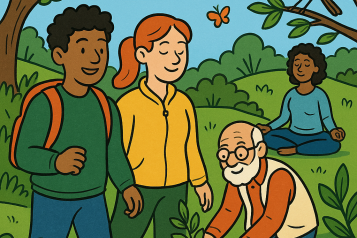
Green social prescribing is when people are supported to take part in nature-based activities, like walking groups, gardening, or conservation work to improve their health and wellbeing. The benefits are wide-ranging:
🌿 Improved mental health
Spending time in nature can reduce stress, anxiety, and symptoms of depression. It promotes relaxation and can boost mood naturally.
💪 Better physical health
Activities like walking, gardening, or outdoor exercise help improve fitness, mobility, and overall physical health. If you have reduced mobility, or are house bound you can still effectively grow food in your own home.
🤝 Reduced loneliness and isolation
Many green social prescribing activities are group-based, helping people build connections and feel part of a community.
🧠 Increased sense of purpose
Taking part in meaningful outdoor activities—like growing plants or caring for green spaces can improve confidence and self-esteem.
❤️ Supports long-term conditions
It can help people manage conditions such as Type 2 Diabetes, Cardiovascular disease, and mild to moderate mental health conditions.
🌍 Connection to nature
Encourages people to engage with and care for the environment, which can further enhance wellbeing and awareness.
🧠 The overall impact
Green social prescribing is a simple, low-cost way to improve both mental and physical health while strengthening communities and reducing pressure on healthcare services.