Supporting veterans to live well
Veterans face unique challenges in getting the health care they need after they leave the military. Find out how Healthwatch teams across England have been helping veterans to get the care they need.
Why veterans, why now?
Nearly four percent of the UK population has served in the UK armed forces.
All healthcare services are provided to personnel while they are serving in the armed forces, but when people leave the military, they become responsible for coordinating their own healthcare.
Many of the healthcare challenges that veterans face are caused by injuries or experiences that occurred while they were in the military. However, after leaving the forces many veterans struggle to get the care they need in civilian life, including finding NHS services hard to use. Others say that doctors don't understand how the stresses of their military careers have affected their health.
As a result, some veterans aren't getting the care they need.
In 2024, we highlighted some of the barriers facing veterans and their families as they turn to NHS services for their care. One year later, to mark Remembrance Day 2025, we take a look at how Healthwatch teams across England are helping veterans and their families to get the support they need to live healthily in civilian life.
In this article we explain how Healthwatch teams have:
- Made it easier for veterans to get health checks
- Helped veterans get customised care
- Supported veterans in prison
- Raised awareness of services for veterans
- Made information easier for veterans to understand
We also look at:
Better access to health checks
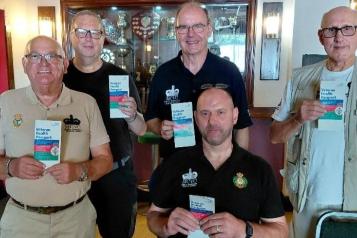
In Warwickshire, the local Healthwatch team ensured that veterans can access free health checks by George Eliot Hospital staff at the Veterans Contact Point in Nuneaton.
Working with the Warwickshire County Council Armed Forces Covenant team and other partners including GPs, NHS Trusts, and veteran support agencies, Healthwatch Warwickshire learned that getting access to primary care, including physical health checks, is challenging for people who have previously served in the UK Armed Forces.
Veterans told Healthwatch Warwickshire of the high standard of care they had grown used to whilst in service, and that health care staff do not always ask about veteran status. When a veteran's status is known, it does not positively impact the care they receive, and more communication around the eligibility criteria for health checks would also benefit veterans.
After speaking with veterans about their care, Healthwatch Warwickshire approached the Coventry, Warwickshire, and Solihull Armed Forces Community Network and worked with them to find solutions for improving veterans' and their families' access to healthcare services.
Due to the programme's success, South Warwickshire and Rugby councillors are looking at opportunities to improve health care access for veterans in their regions.
Customised care that works for veterans
Involving local people helps services help improve care for everyone by understanding and meeting their unique needs. In Rotherham, veterans can now share their service history with NHS staff via the introduction of a Veterans Health Passport.
Veterans at Rotherham Military Community Veterans Centre (MCVC) told Healthwatch Rotherham they were finding it difficult to match up their military and civilian health records. They wanted an easier way to share their medical history with their NHS care providers.
Working in collaboration with the Rotherham NHS Foundation Trust and the MCVC, a 'Veterans Health Passport' was developed to meet the needs of this community.
The passport helps them access the right level of care without having to repeat their health history at each appointment. This means they have access to support more quickly, more understanding from health professionals about their challenges, and peace of mind knowing their unique medical histories are recognised.