Healthwatch Rotherham’s involvement in the National Neighbourhood Health Implementation Pilot
Learning from others across the country
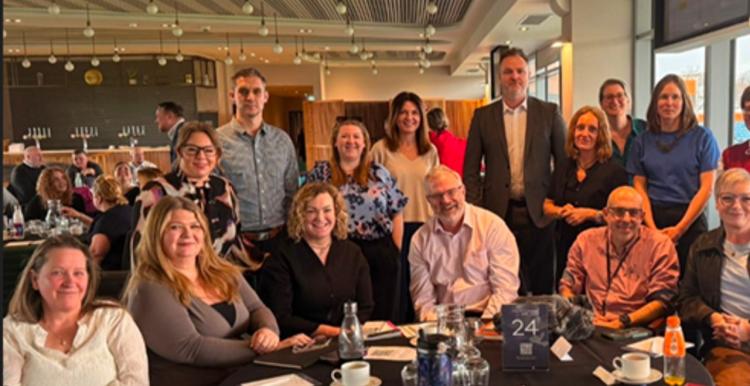
Earlier this year, partners from Rotherham took part in a national learning event, bringing together different areas to share what’s working well and where there’s more to learn.
One of the key messages from the event was the importance of simple but powerful principles for neighbourhood working – such as:
-
building trust,
-
working together as one system,
-
and empowering people and communities.
These ideas strongly match what Healthwatch Rotherham stands for: health and care services that are shaped with people, not designed for them.
What Healthwatch Rotherham brings to this work
Our involvement focuses on making sure people’s voices don’t get lost as new neighbourhood approaches are developed.
This includes:
-
Sharing what local people tell us about their experiences of services
-
Highlighting barriers like access, communication, and confidence
-
Encouraging partners to involve communities early, especially people who may feel less heard
By feeding this insight into the pilot, we help decision‑makers understand how changes affect people in real life – not just how they look on paper.
Supporting prevention and staying well
One part of the pilot focuses on prevention, including work around NHS Health Checks for people aged 40 and over.
This has involved:
-
Reaching out to people who don’t usually attend health checks
-
Listening to residents through focus groups to understand what puts people off and what would help
We welcome this approach, particularly the focus on reducing health inequalities and making support easier to access for people living in areas with the greatest challenges.
Helping people with rising risk and complex needs
The pilot is also supporting:
-
People whose health needs may be increasing
-
People living with multiple long‑term conditions or frailty
New neighbourhood approaches for these groups went live across GP practices from 1 April 2026.
What people often tell us matters most in these situations is:
-
Clear information and communication
-
Joined‑up care, so they don’t have to repeat their story
-
Feeling involved in decisions about their own health and care
These are things we will continue to listen out for and raise with partners.
Working better together behind the scenes
A lot of work has gone into improving how organisations share information and work together more smoothly. While this isn’t always visible to residents, it helps create more joined‑up care.
From a Healthwatch perspective, it’s important that this data is balanced with real stories and lived experience, so success is measured by how people actually feel about the care they receive.
Want to know more about the Neighbourhood health pilot?
Introduction to neighbourhood health
Neighbourhood health puts the person at the centre of how we deliver their health and care by organising services so they can work together to serve a defined population. This includes the services that people rely on close to home and on the high street, such as GPs and community services and, where appropriate, urgent care, diagnostics and outpatients. This also includes local authority-commissioned services, such as adult and children’s social care and public health services.
Here's a link to the Neighbourhood framework on gov.uk
Neighbourhood health framework
What happens next?
The next step is to build on this early work to develop a wider neighbourhood health plan for Rotherham, shaped by local priorities and learning so far.
Healthwatch Rotherham will stay involved throughout – listening to residents, sharing what we hear, and speaking up for what matters to local people.
If you have experiences of health or care services in your neighbourhood that you’d like to share, we’d love to hear from you.